


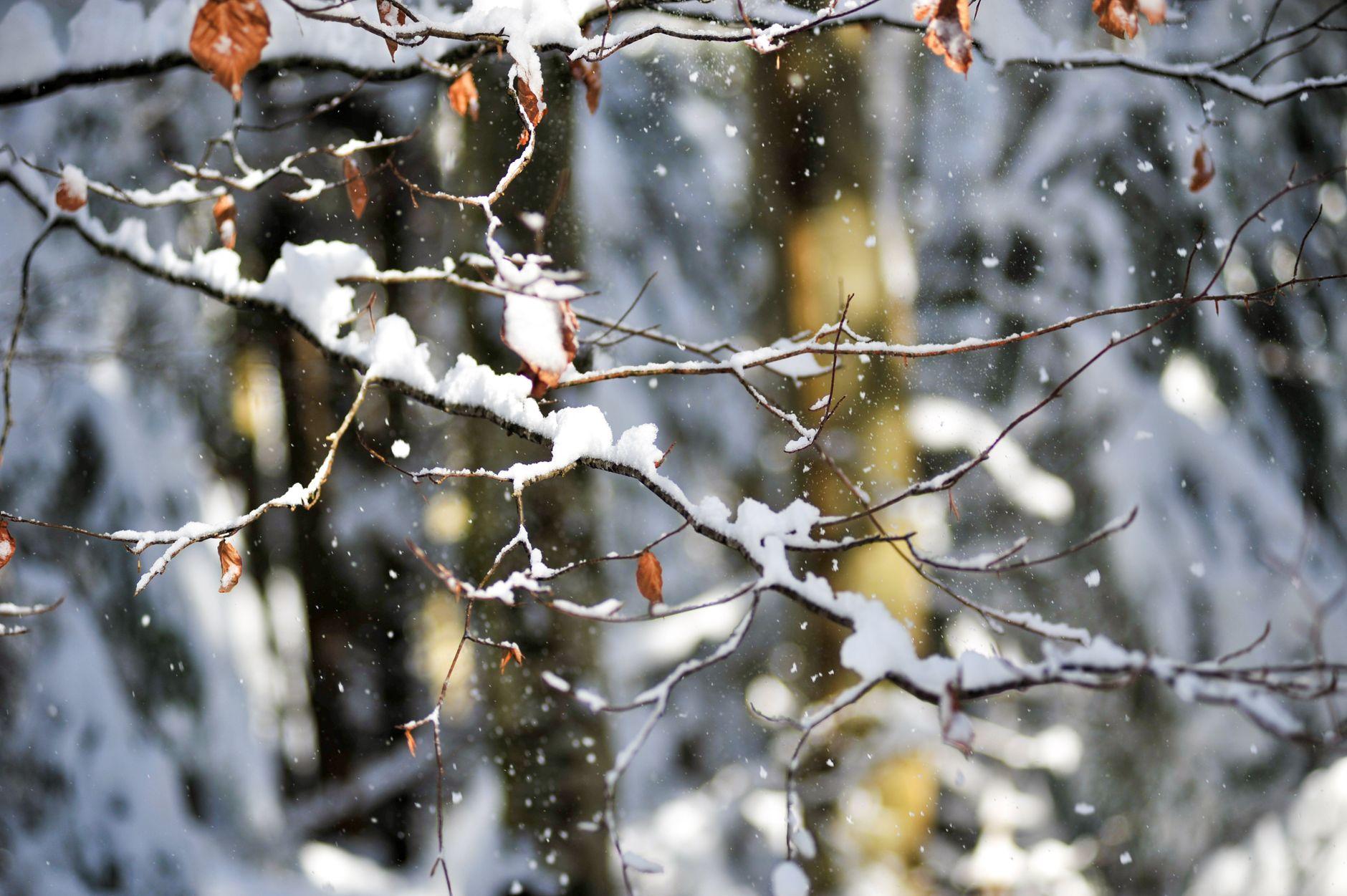
The winter season is a period of cold weather and short days that occurs in the Northern Hemisphere from December to February and in the Southern Hemisphere from June to August.
During this time, the temperatures are usually very low, and the atmosphere is cold and dry. The days are short, with the sun rising late in the morning and setting early in the evening.
Effects of Winter Season
The winter season can have a significant impact on the environment, including:
- Freezing temperatures and frost
- Shorter days and longer nights
- Increased risk of snow and ice
Winter Season Around the World
The winter season is not the same everywhere in the world. In the Northern Hemisphere, countries near the North Pole experience almost complete darkness during the winter months, while countries near the equator experience minimal changes in temperature and daylight hours.
In the Southern Hemisphere, the winter season is reversed, with countries near the South Pole experiencing almost complete darkness during the winter months, while countries near the equator experience minimal changes in temperature and daylight hours.